Houses in Multiple Occupation (HMOs) provide practical accommodation for individuals who share facilities such as kitchens, bathrooms, hallways and living spaces. While this arrangement can offer affordable housing and make better use of available properties, maintaining shared areas requires careful attention. Regular cleaning, proper maintenance and clear management procedures all contribute to a comfortable living environment.
HMO cleaning and communal area management are important responsibilities for landlords and property managers. A well-maintained property not only supports residents’ everyday needs but can also help protect the property’s condition and maintain its long-term rental appeal.
Whether landlords operate established shared accommodation or are considering investing in an HMO, understanding the importance of communal area management can make a significant difference.
Why Is HMO Cleaning Important?
Unlike single-occupancy rental properties, HMOs usually accommodate several unrelated individuals under one roof. Residents may have different routines, working hours and expectations regarding cleanliness. Without an organised cleaning arrangement, shared spaces can quickly become untidy.
Regular cleaning helps prevent the accumulation of dust, unpleasant smells, food waste and general household mess. It also encourages residents to respect shared facilities and take responsibility for their living environment.
Some key benefits of effective HMO cleaning include:
- Improved hygiene: Regular cleaning reduces the build-up of dirt and bacteria in frequently used areas.
- Better resident satisfaction: Clean communal spaces make shared accommodation more pleasant.
- Property preservation: Routine cleaning can help identify minor maintenance issues before they become more serious.
- Positive property presentation: Well-maintained communal areas create a favourable impression during property viewings.
- Reduced disputes: Clear cleaning arrangements can minimise disagreements between residents.
A consistent cleaning schedule is therefore an important part of maintaining a successful shared property.
Which Communal Areas Require Regular Cleaning?
Every HMO has different requirements depending on its size, layout and occupancy. However, several shared spaces generally require particular attention.
1. Shared Kitchens
Kitchens are among the busiest areas in an HMO. Multiple residents may use the same appliances, worktops, cupboards and cooking facilities throughout the day.
Regular cleaning should include:
- Wiping and disinfecting kitchen worktops.
- Cleaning sinks and taps.
- Removing food waste and emptying bins.
- Cleaning hobs, ovens and microwaves.
- Wiping cupboard doors and appliance surfaces.
- Sweeping and mopping floors.
- Checking shared refrigerators for spoiled food.
Landlords and property managers hould also establish clear expectations regarding personal food storage, washing-up and the disposal of household waste.
2. Shared Bathrooms and Toilets
Bathrooms require consistent cleaning because they are frequently exposed to moisture and regular use. Poor maintenance can lead to unpleasant odours, mould growth and hygiene concerns.
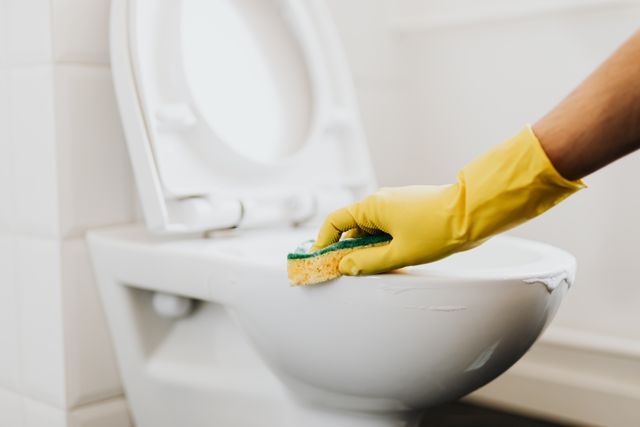
A suitable cleaning routine should cover toilets, washbasins, taps, shower screens, baths, mirrors and floors. Ventilation should also be checked to help control condensation and reduce the likelihood of mould developing.
Any leaks, blocked drains or damaged fittings should be reported and addressed promptly.
3. Hallways and Staircases
Hallways and staircases are common access routes for residents and visitors. These areas can collect dirt, dust and debris, particularly in properties with several occupants.
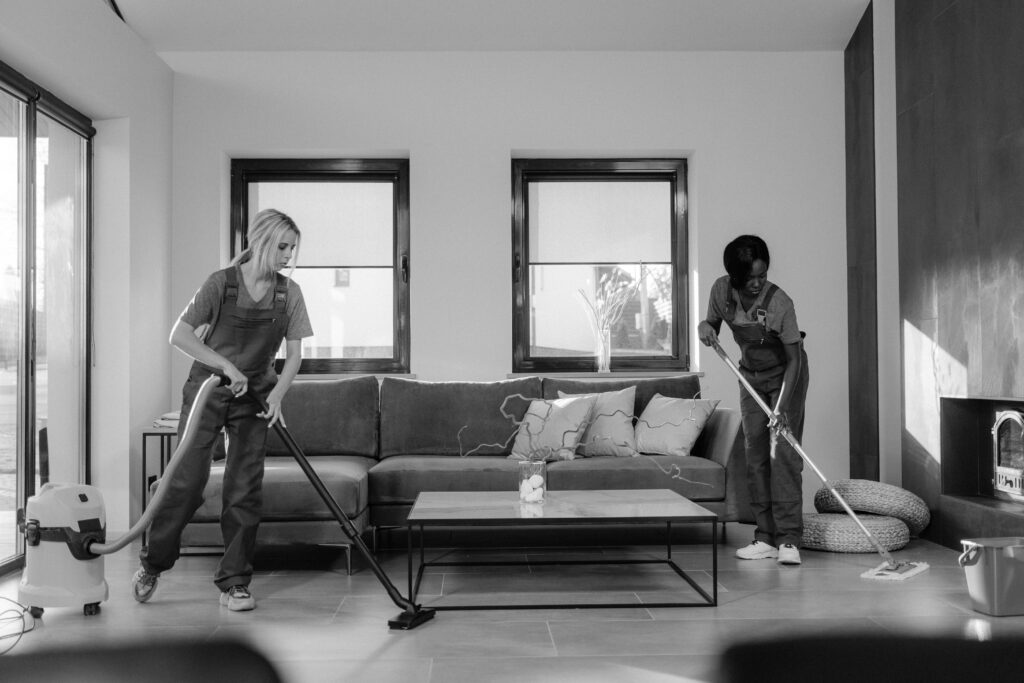
Regular vacuuming, sweeping, mopping and dusting help keep these spaces presentable. Landlords should also ensure that corridors and escape routes remain free from obstructions.
4. Shared Living Rooms
Where an HMO includes a communal lounge, it should receive regular attention. Upholstery, tables, windows, floors and frequently touched surfaces should be cleaned as part of the property’s maintenance routine.
A clean and comfortable shared living area can encourage residents to use the space responsibly and improve the overall experience of living in the property.
Creating an Effective HMO Cleaning Schedule
An organised cleaning schedule helps ensure that no communal area is overlooked. It also makes responsibilities easier to understand for both residents and cleaning contractors.
A practical schedule may include the following:
| Area | Suggested cleaning frequency |
|---|---|
| Kitchen worktops and sinks | Daily or after use |
| Kitchen floors | Several times a week |
| Bathrooms and toilets | Several times a week |
| Hallways and staircases | Weekly |
| Shared living areas | Weekly |
| Windows and deeper cleaning | Monthly or as required |
| Waste disposal areas | Regularly, according to collection needs |
These are general recommendations rather than fixed legal requirements. The appropriate frequency will depend on the number of residents, property layout and level of use.
For larger HMOs, professional cleaning contractors may provide a more consistent service. Smaller properties may benefit from a combination of scheduled professional cleaning and clearly communicated resident responsibilities.
The Role of HMO Property Management in Communal Area Maintenance
Effective cleaning arrangements are only one part of managing shared accommodation. Property managers must also establish procedures for reporting problems, arranging repairs and communicating with residents.
Professional hmo property management involves coordinating different aspects of property operation, including maintenance, safety, inspections and resident communication.
A well-organised management approach should include:
- Regular property inspections: Checking communal spaces for cleanliness, damage and maintenance concerns.
- Cleaning contractor coordination: Ensuring cleaning services are completed according to an agreed schedule.
- Resident communication: Explaining cleaning expectations and reporting procedures.
- Maintenance management: Arranging repairs to damaged fixtures, plumbing and shared appliances.
- Waste management: Making suitable arrangements for household rubbish and recycling.
- Record keeping: Maintaining appropriate records of inspections, cleaning visits and reported issues.
Clear communication is particularly important in shared accommodation. Residents should know how to report maintenance problems and understand which responsibilities belong to them and which remain with the landlord or managing agent.
Legal Responsibilities for HMO Cleaning and Communal Areas
HMO landlords and managing agents in England must understand the legal responsibilities associated with shared accommodation. These obligations can vary depending on the property’s location, licensing status and applicable local authority requirements.
Under the Housing Act 2004, relevant HMO licensing and management requirements apply to qualifying properties. The Management of Houses in Multiple Occupation (England) Regulations 2006 also establish management responsibilities for certain HMOs.
These regulations address matters such as maintaining common parts, ensuring shared facilities are kept in proper working order and taking reasonable steps to protect residents.
Additional responsibilities may include:
Fire Safety and Escape Routes
Communal hallways, staircases and exits should remain accessible and free from unnecessary obstructions. Cleaning equipment, rubbish bags and personal belongings should never be allowed to compromise escape routes.
Landlords should also ensure that applicable fire safety arrangements are maintained and that relevant inspections and checks are carried out.
Waste Disposal
Suitable waste disposal arrangements should be provided, with residents informed about collection days and appropriate storage arrangements.
Accumulated rubbish can create hygiene problems and attract pests, making regular waste management essential.
Repairs and Maintenance
Landlords and responsible managers should address defects affecting shared facilities and communal spaces. Problems such as leaking pipes, damaged flooring, broken lighting and faulty appliances should be dealt with appropriately.
Legal obligations should always be checked against the latest legislation and guidance issued by the relevant local authority.
How Clean Communal Areas Improve HMO Rental Appeal
The condition of communal areas can influence how prospective tenants view a shared property. Even when bedrooms are well presented, neglected kitchens, bathrooms and hallways may create a negative impression.
For landlords advertising hmo properties to rent london, maintaining clean and attractive shared spaces can help make their accommodation more appealing to prospective residents.
A well-managed property can demonstrate that the landlord takes resident comfort, hygiene and maintenance seriously.
Some practical ways to improve rental appeal include:
- Keeping kitchens and bathrooms clean and well maintained.
- Ensuring communal lighting is adequate.
- Maintaining flooring, walls and shared furniture.
- Providing suitable waste storage facilities.
- Displaying clear cleaning and household guidelines.
- Addressing reported maintenance issues promptly.
These improvements can contribute to a more positive viewing experience and help establish realistic expectations before residents move in.
HMO Cleaning Considerations for Property Investors
Cleaning and communal area maintenance should also form part of an investor’s assessment when considering shared accommodation.
Anyone evaluating an hmo for sale should look beyond the property’s purchase price and potential rental income. The condition of shared facilities, the existing cleaning arrangements and future maintenance requirements can all influence the property’s ongoing operating costs.
Before purchasing an HMO, investors may wish to assess:
- The current condition of kitchens, bathrooms and communal areas.
- Whether the property has suitable waste storage arrangements.
- The likely cost of professional cleaning services.
- Whether communal facilities are adequate for the intended occupancy.
- Any outstanding maintenance or repair requirements.
- Whether the property has the appropriate HMO licence, where required.
- Whether its layout and facilities comply with applicable housing standards.
A thorough assessment can help investors understand the responsibilities associated with operating shared accommodation and make more informed purchasing decisions.
Practical Tips for Maintaining Clean and Well-Managed HMOs
Maintaining an HMO does not necessarily require complicated procedures. Consistency, communication and appropriate oversight are often the most important factors.
The following practices can help landlords and property managers maintain communal spaces effectively:
Introduce clear house rules: Residents should receive straightforward guidance about cleaning up after themselves, storing personal belongings and disposing of rubbish.
Arrange regular professional cleaning: Scheduled cleaning can help maintain standards in busy communal areas.
Provide suitable cleaning facilities: Accessible cleaning equipment and appropriate waste bins can encourage residents to keep shared spaces tidy.
Carry out routine inspections: Regular inspections help identify cleanliness concerns, damage and maintenance requirements.
Respond to complaints promptly: Taking resident concerns seriously can prevent minor problems from becoming ongoing disputes.
Review cleaning arrangements: Cleaning requirements may change when occupancy levels increase or the property’s facilities become more heavily used.
Conclusion
HMO cleaning and communal area management play an important role in maintaining safe, hygienic and comfortable shared accommodation. From kitchens and bathrooms to hallways and communal lounges, every shared space requires an appropriate cleaning and maintenance routine.
For landlords and property managers, an organised approach can support resident satisfaction, protect the property’s condition and help meet relevant legal responsibilities. For investors, understanding cleaning and management requirements is equally important when assessing the long-term potential of shared accommodation.
Ultimately, a successful HMO is not simply about providing individual bedrooms. It also involves creating a clean, well-maintained and responsibly managed environment where residents can feel comfortable sharing their home.