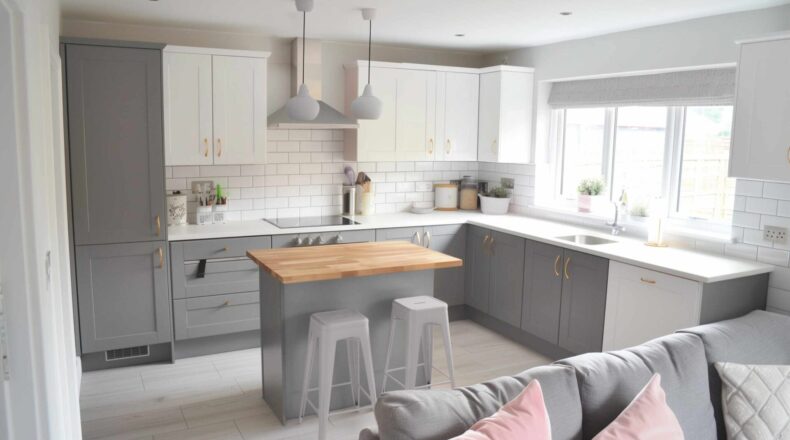
When operating a House in Multiple Occupation (HMO) in the UK, meeting kitchen requirements is not optional—it is a legal obligation. Local authorities enforce strict standards to ensure tenant safety, hygiene, and adequate living conditions. Failure to comply can result in fines, licence refusal, or enforcement action. This guide explains UK HMO kitchen requirements, helping landlords stay compliant while creating functional, tenant-friendly spaces.
What Is an HMO Kitchen?
An HMO kitchen is a shared cooking and food preparation area used by multiple, unrelated occupants. Requirements vary depending on:
- The number of tenants
- Whether the HMO is licensed
- Local council standards (amenity guidance)
However, most councils follow similar national benchmarks based on the Housing Act 2004 and HHSRS (Housing Health and Safety Rating System).
Minimum Kitchen Size Requirements
While exact measurements differ by council, general UK guidelines are:
- Up to 5 occupants: Minimum kitchen size of 7–10 m²
- 6–10 occupants: Typically 10–15 m²
- More than 10 occupants: May require multiple kitchens
The kitchen must allow safe movement, food preparation, and cooking without overcrowding.
Essential Kitchen Facilities for HMOs
Every HMO kitchen must include sufficient facilities based on the number of tenants:
Cooking Appliances
- At least one oven and hob per 5 occupants
- Hobs should have 4 rings
- Cookers must be positioned safely away from doors and walkways
Sinks
- One sink per 5 occupants
- Each sink must have:
- Constant hot and cold running water
- Proper drainage
- A hygienic splashback
Food Preparation Space
- Adequate worktop space for each user
- Heat-resistant and easy-to-clean surfaces
Storage and Refrigeration Requirements
To prevent hygiene issues and tenant disputes, councils require:
- Dry food storage cupboards (one per tenant or per household)
- Refrigerator space:
- One fridge per 5 occupants (or equivalent fridge/freezer capacity)
- Freezers may be required depending on council guidance
Poor storage is one of the most common reasons HMOs fail inspections.
Fire Safety in HMO Kitchens
Fire safety is a critical compliance area:
- Fire-resistant doors (FD30) leading from kitchens
- Heat detector (not smoke alarm) linked to the fire alarm system
- Fire blanket mounted on the wall
- Clear escape routes at all times
All appliances must be professionally installed and regularly maintained.
Ventilation and Lighting
A compliant HMO kitchen must have:
- Mechanical extractor fan vented externally
- Or an openable window (usually insufficient alone)
- Good natural and artificial lighting
- Proper electrical safety certification
Inadequate ventilation can lead to damp, mould, and enforcement notices.
Cleanliness and Finishes
Local authorities expect kitchens to be:
- Easy to clean
- In good repair
- Made from durable, non-porous materials
Damaged units, peeling surfaces, or unsafe flooring can fail inspections even if appliances are present.
Local Council Variations
Always check your local council’s HMO amenity standards, as requirements can exceed national minimums. Councils in London and major cities often impose stricter rules.
Final Thoughts
Meeting UK HMO kitchen requirements is essential for licensing, tenant satisfaction, and long-term profitability. A well-designed, compliant kitchen reduces maintenance issues, improves inspections outcomes, and attracts higher-quality tenants.
For best results, work with experienced HMO property professionals who understand local authority expectations and current regulations.